Ignoring basic toolbox safety turns routine tasks into high-risk situations. Every year, preventable accidents involving tools send thousands to emergency rooms—many due to simple oversights like improper storage, lack of PPE, or using damaged equipment. Whether you're a seasoned professional or a weekend DIYer, understanding core toolbox safety topics isn’t optional. It’s the foundation of efficient, injury-free work. The good news? Most risks are avoidable, and high-quality safety knowledge is available—for free.
This guide dives into the most critical toolbox safety topics, outlines common hazards, and delivers actionable strategies to keep you protected. From hand tools to power equipment, we cover real-world applications and point to free, credible resources you can start using today.
Why Toolbox Safety Matters More Than You Think
Toolbox safety isn’t just about avoiding injury—it’s about maintaining productivity, ensuring job site compliance, and fostering a culture of responsibility. A dropped wrench can cause a head injury. A frayed power cord can lead to electrocution. A poorly maintained saw can kick back with deadly force.
OSHA estimates that proper tool handling and maintenance could prevent over 300,000 workplace injuries annually. Yet, many workers skip basic precautions because they assume “it won’t happen to me” or believe safety slows them down. The opposite is true: unsafe practices cause delays, rework, and downtime.
Common Real-World Mistakes: - Using a screwdriver as a chisel - Operating a circular saw without a guard - Storing solvent-soaked rags in a metal toolbox - Wearing loose sleeves near rotating equipment
Each of these examples represents a breakdown in fundamental safety awareness—issues easily corrected with training and consistent habits.
1. Proper Tool Selection and Inspection
Choosing the right tool for the job is the first defense against accidents. Using an undersized wrench on a tight bolt leads to slippage and hand injuries. Substituting a utility knife for a box cutter increases laceration risk.
Daily Inspection Checklist: - Check for cracks, corrosion, or deformities - Look for frayed cords or damaged plugs (power tools) - Test safety guards and automatic shutoffs - Confirm moving parts operate smoothly - Verify secure handle attachments
If a tool fails any part of this check, tag it “Do Not Use” and remove it from service immediately.
Tip: Implement a color-coding system for inspection dates using tape dots. Red = inspected this week, yellow = due soon, green = current. It’s low-cost and highly effective.
Free Resource: OSHA’s Hand and Power Tools safety guide (available at osha.gov) offers illustrated inspection criteria and compliance standards.
2. Safe Handling of Hand Tools
Hand tools cause more injuries than most people expect—especially when misused. A hammer with a loose head can fly off on impact. A chisel with a mushroomed tip can shatter and send metal fragments flying.

Critical Practices: - Always cut away from your body - Use files with handles to avoid hand punctures - Keep sharp tools properly sheathed - Never carry tools in pockets—use a belt holster - Avoid using tools near flammable materials unless intrinsically safe
Real Example: A plumber once used a hacksaw blade without a frame to cut a PVC pipe near a gas line. Sparks ignited fumes, causing a flash fire. The blade should have been secured in a frame, and the area ventilated and cleared.
Free Tool: NIOSH’s Injury Prevention Through Safety Design workbook includes case studies and diagrams for safe hand tool use.
3. Power Tool Safety Protocols
Power tools amplify both productivity and risk. A drill spinning at 1,500 RPM can twist your wrist if it binds. A table saw without a riving knife can cause severe kickback.
Non-Negotiable Safety Rules: - Always disconnect power before changing bits or blades - Use GFCI outlets for all corded tools, especially in damp areas - Never bypass safety interlocks or guards - Keep cords away from heat, oil, and sharp edges - Use double-insulated tools when possible
Common Oversight: Workers often leave batteries in tools during storage. This drains the battery and increases the risk of accidental activation if the trigger is bumped.
- Workflow Tip: Create a “Power Tool Start-Up Sequence” posted near workstations:
- Inspect tool and cord
- Confirm guard is in place
- Wear safety glasses and gloves
- Check work area for bystanders
- Test operation at low speed first
Free Resource: The Canadian Centre for Occupational Health and Safety (CCOHS) offers a downloadable Power Tool Safety Poster in multiple languages.
4. Tool Storage and Organization
A disorganized toolbox is a hazard zone. Loose sockets can roll underfoot. Exposed blades can cut skin. Chemicals stored next to electronics can cause corrosion or fires.
Best Practices for Storage: - Use compartmentalized trays with labeled sections - Store sharp tools tip-down or covered - Keep flammables in UL-rated safety cans, not toolboxes - Mount heavy tools on wall racks, not shelves - Lock toolboxes when not in use, especially around children
Real-World Failure: A technician stored a lithium-ion angle grinder battery in the same compartment as steel files. Over time, the battery casing wore thin and short-circuited, causing thermal runaway and a small fire in the van.
Upgrade Tip: Use magnetic strips inside lid for screwdrivers and small metal tools. It keeps them secure and visible.
Free Option: Download a customizable Tool Inventory and Storage Template from SafetyWalk.com—no signup required.
5. Personal Protective Equipment (PPE) for Tool Use
PPE isn’t a last resort—it’s a first line of defense. Yet, many workers skip it for “quick jobs” that end in ER visits.
| Essential PPE by Task: | |
|---|---|
| ----------------------- | ------------------------------------------- |
| Grinding | Face shield, safety goggles, hearing protection, gloves |
| Drilling metal | Safety glasses, hearing protection |
| Using a chainsaw | Chaps, helmet, ear muffs, steel-toe boots |
| Working with solvents | Nitrile gloves, respirator, eye protection |
Limitation Note: Not all gloves are equal. Leather protects against abrasion but not chemicals. Nitrile resists solvents but can tear on sharp edges. Match glove type to the hazard.

Case Study: A carpenter wore cotton gloves while using a router. The glove caught in the bit, pulling his hand into the blade. Cut-resistant gloves with no loose cuffs would have reduced risk.
Free Resource: ANSI/ISEA Z87.1 standards for eye protection are publicly available and explain impact ratings for safety glasses.
6. Electrical Safety
with Corded and Battery-Powered Tools
Electrical hazards are silent and deadly. Faulty cords, improper grounding, and wet conditions turn tools into lethal devices.
Critical Rules: - Never use damaged extension cords—replace, don’t tape - Use only three-prong plugs with grounded outlets - Store batteries in cool, dry places—avoid garages or cars in summer - Charge batteries on non-combustible surfaces (concrete, metal tray) - Use lockout/tagout procedures when servicing equipment
Common Mistake: Daisychaining extension cords reduces voltage and overheats connectors. Use one heavy-duty cord rated for the tool’s amperage.
Real Incident: A worker used a damaged cord on a reciprocating saw in a basement with standing water. The tool energized the water, causing electrocution. A GFCI outlet would have cut power in milliseconds.
Free Tool: The Electrical Safety Foundation International (ESFI) offers free online training modules on safe tool electrification.
7. Training and Free Safety Resources You Should Use
You don’t need to pay for quality safety training. Government and nonprofit organizations publish comprehensive, free materials.
- Top Free Resources for Toolbox Safety:
- OSHA Hand and Power Tools Guide – Complete regulatory standards and best practices
- NIOSH Power Tool Database – Noise and vibration data for common tools
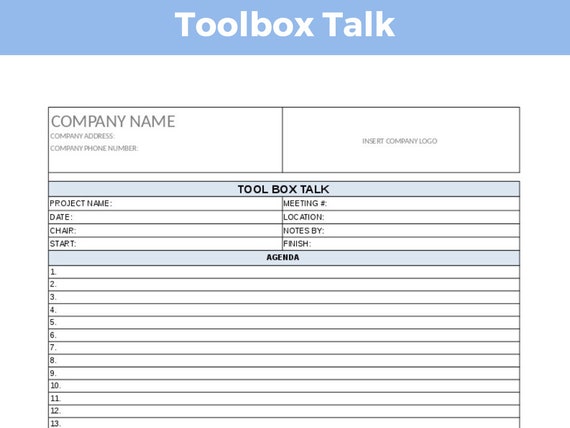
- CCOHS Toolbox Talks – Printable 10-minute safety meetings on tool use
- ESFI Electrical Safety Materials – Videos, checklists, and infographics
- ANSI Safety Standards Library – Access to key safety performance criteria
These aren’t outdated PDFs—they’re updated regularly and used by safety officers across industries.
Implementation Tip: Hold weekly 10-minute toolbox talks using CCOHS templates. Rotate responsibility among team members to boost engagement.
8. Creating a Safety-First Culture
Safety isn’t a checklist—it’s a mindset. The best toolbox protocols fail if workers feel pressured to cut corners.
How to Build Accountability: - Lead by example: Supervisors must follow every rule - Encourage peer reporting without punishment - Recognize safe behavior publicly - Conduct unannounced safety audits - Involve workers in designing safety procedures
When employees help shape safety rules, compliance increases by up to 70%, according to NIOSH studies.
Example: A construction crew started a “Safety Catch of the Week” board where workers post photos of hazards they spotted—like a cracked hammer head or a missing guard. It’s now a source of pride, not fear.
Final Thoughts: Safety Is Part of the Job—Not an Add-On
Toolbox safety isn’t a once-a-year training video or a poster on the wall. It’s daily vigilance. It’s inspecting every tool, wearing the right gear, and stopping work when something feels off.
The resources to protect yourself are free, credible, and accessible. The cost of ignoring them? Broken bones, lost wages, or worse. Take control today: download one free guide, audit your toolbox, and start a conversation about safety with your team.
Small actions build unbreakable habits. Stay sharp, stay safe, and work with confidence.
FAQ
What should you look for in Essential Toolbox Safety Topics You Can't Ignore? Focus on relevance, practical value, and how well the solution matches real user intent.
Is Essential Toolbox Safety Topics
You Can't Ignore suitable for beginners? That depends on the workflow, but a clear step-by-step approach usually makes it easier to start.
How do you compare options around Essential Toolbox Safety Topics You Can't Ignore? Compare features, trust signals, limitations, pricing, and ease of implementation.
What mistakes should you avoid? Avoid generic choices, weak validation, and decisions based only on marketing claims.
What is the next best step? Shortlist the most relevant options, validate them quickly, and refine from real-world results.